
A stainless steel grade can be chemically and mechanically compliant yet arrive under the wrong specification for the equipment.
That mismatch is often discovered during document review, welding qualification or final code reconciliation. Replacement may then be easier than retrospective acceptance.
ASTM A276, ASTM A479 and ASME SA-479 all address stainless steel bars and shapes, and their requirements overlap substantially. They are not interchangeable by assumption. The correct choice begins with the intended construction code and product application, then moves into grade, condition, dimensions, testing and certification.
This guide explains where each specification belongs, what it does not guarantee and how buyers can write a purchase order that controls the risks beyond the standard title.
The Short Answer
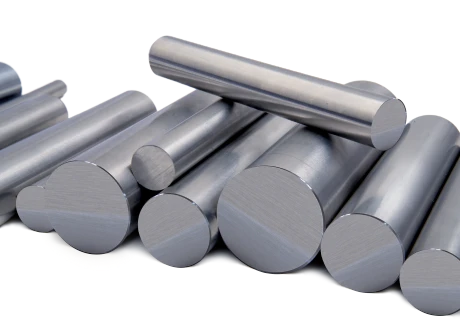
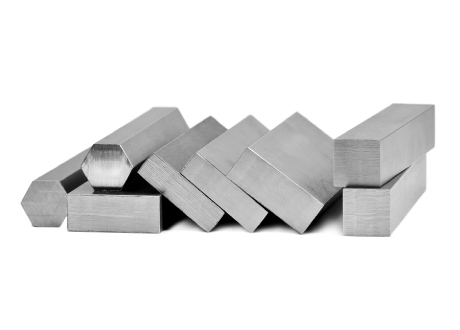
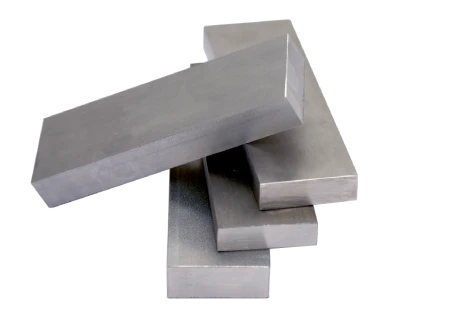
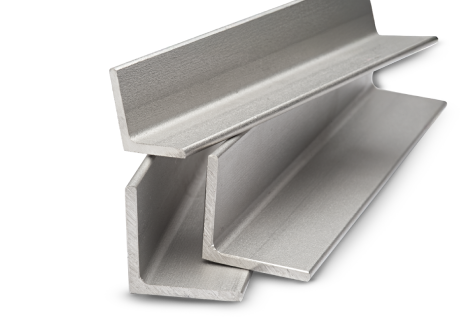
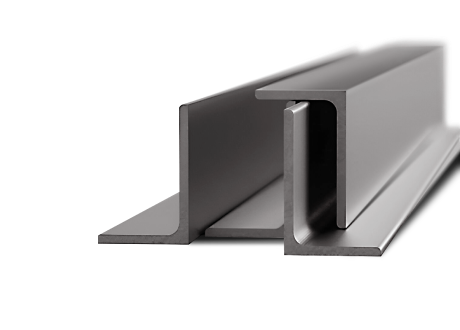
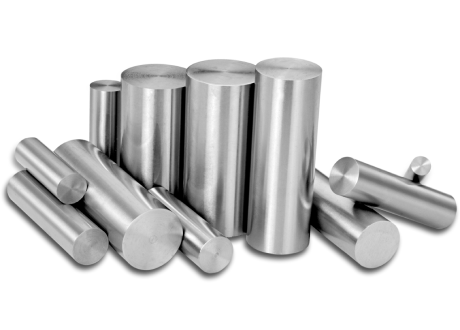
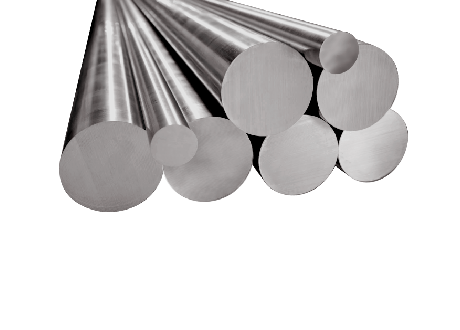
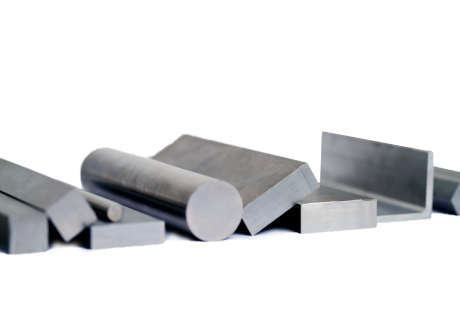
1. ASTM A276/A276M is the broad product specification commonly used for stainless steel bars and shapes in general engineering applications. Its scope covers hot- or cold-finished bars, except bars for reforging, in forms including rounds, squares and hexagons, together with certain hot-rolled or extruded shapes.
2. ASTM A479/A479M covers stainless steel bars and shapes specifically for boiler and pressure-vessel construction. Its pressure-equipment scope and available supplementary requirements make it the more relevant ASTM specification when the design basis calls for it.
3. ASME SA-479/SA-479M is the ASME-adopted material specification published in BPVC Section II, Part A. It should be specified where the governing ASME construction code, design documents or authorized inspector requires the ASME material designation and applicable Code edition.
The decision is therefore not “general quality versus superior quality.” It is general bar specification versus pressure-equipment material specification versus the ASME Code-adopted version.
ASTM A276: The General Stainless Steel Bar Specification
ASTM A276 is widely relevant to bars used for machined components, shafts, pins and general industrial parts. It establishes requirements associated with grade chemistry, condition and mechanical properties. ASTM A484/A484M supplies many general requirements that work alongside it, including tolerances, workmanship, testing, certification and marking.
It is a sound starting point for many non-code purchases, but it does not convert an incomplete description into a precision-bar specification.
ASTM A276 Type 316 alone does not define a close diameter tolerance, straightness suitable for an automatic bar feeder, surface-defect limits, ultrasonic examination, eddy-current testing, restricted chemistry or a machining-performance target. Those requirements must be added where the application needs them.
A276 is often appropriate for general machined components, non-code pump or mixer shafts, industrial parts and distributor stock, with finish and tolerances separately agreed.
Free-machining stainless bars intended specifically for optimum machinability are addressed separately by ASTM A582/A582M, while bars for reforging are outside A276's scope. Product form matters as much as grade name.
ASTM A479: Stainless Steel Bar for Boiler and Pressure-Vessel Construction
ASTM A479 covers hot- and cold-finished stainless steel bars including rounds, squares and hexagons and certain hot-rolled or extruded shapes for boiler and pressure-vessel construction.
Its title signals the intended service, but pressure grade is too loose a shorthand. Compliance still depends on the alloy, heat-treatment condition, mechanical requirements and applicable provisions.
A479 includes purchaser-selectable supplementary requirements addressing matters such as high-temperature service, intergranular corrosion, product analysis, high-cycle fatigue, stress-corrosion cracking and detrimental intermetallic phases. These are not blanket promises attached to every bar; they must be invoked where needed.
Where A479 commonly fits
A479 becomes relevant for boilers, pressure vessels and related components where the design specification calls for it, or where its supplementary controls are required.
It is still essential to check the component-specific material specification. A forged flange, fitting or valve part, for example, may be governed by a forging or piping-component standard rather than by a bar standard merely because bar is commercially available in the same UNS grade.
ASME SA-479: The Code-Adopted Specification
ASME SA-479/SA-479M appears in BPVC Section II, Part A. ASME adoption is controlled by the relevant BPVC edition and may include editorial or technical differences.
For that reason, an MTR stating only ASTM A479 should not automatically be treated as SA-479 material. For ASME Code work, the purchaser should identify the required SA designation, applicable BPVC edition and any permitted material-specification edition established by the governing Code rules.
SA-479 compliance does not complete the design basis. The applicable construction section determines whether the material and product form are permitted, while Section II, Part D supplies material-property information such as allowable stresses where applicable.
Comparison: A276 vs A479 vs SA-479
| Buyer question | ASTM A276/A276M | ASTM A479/A479M | ASME SA-479/SA-479M |
|---|---|---|---|
| Primary context | General stainless steel bars and shapes | Bars and shapes for boilers and other pressure vessels | ASME-adopted specification for Code use |
| Governing publisher | ASTM International | ASTM International | ASME BPVC Section II, Part A |
| Typical selection trigger | General engineering drawing or purchase specification | Pressure-equipment requirement naming A479 | ASME Code/design documents naming SA-479 |
| Product forms | Covered bars and specified shapes | Covered bars and specified shapes | Product scope defined by the adopted SA text |
| Pressure-code status | Not established merely by A276 compliance | Pressure-vessel-oriented ASTM product specification | Must be used within the applicable ASME Code rules |
| Extra testing | Must be stated where required | Relevant supplementary requirements may be invoked | Requirements depend on the adopted text, Code edition and purchase order |
| Precision machining controls | Not automatic | Not automatic | Not automatic |
The practical message is simple: do not select the specification from the alloy alone. Type 304, 316L or a duplex grade may appear in more than one material specification, but the correct specification depends on product form, end use and governing code.
Industry Reality: “Dual Certified” Needs to Be Demonstrated
Dual certification can be valid when the grade, condition, testing, edition and documentation satisfy both specifications. The phrase on a quotation is not the technical evidence.
The MTR should identify each specification and edition, grade or UNS designation, heat and lot traceability, heat-treatment condition, chemical and mechanical results, and invoked supplementary tests. Identity must remain connected to the material through cutting and machining.
Retrospective certification can become difficult when the original testing frequency, specimen location, heat-treatment records or supplementary testing did not meet the later requirement. A grade match is not enough to reconstruct missing process evidence.
Hidden Cost: The Standard Does Not Define Machining Performance
Machine shops experience variation that a compliant chemistry table cannot explain alone.
Straightness affects automatic feeding; diameter variation changes stock removal; surface seams can emerge after turning; residual stress can distort slender parts. Microstructure and work-hardening response can influence tool life, chip control and finish.
None of the three specification names automatically guarantees Swiss-machine quality, precision straightness, centreless-ground tolerance, a maximum stock-removal allowance or a particular NDT coverage.
For repeat production, translate the process need into measurable requirements: diameter and ovality, straightness, surface finish, defect limits, end condition, length, NDT and protective packaging.
The hidden cost of vague ordering is rarely the bar price. It is feeder stoppage, additional peeling or grinding, tool changes, dimensional drift, sorting, rejected components and delayed customer approval.
Application-Based Selection Examples
For a general industrial shaft, A276 may be the correct baseline, with bright-bar finish, straightness and inspection added.
For a pressure component, begin with the governing construction code and confirm that bar is an acceptable product form before choosing A479 or SA-479.
For duplex pressure service, state heat-treatment, corrosion and phase-testing needs.
For Swiss machining, add dimensional, surface and feeder-performance controls regardless of the base standard.
Conclusion
Choosing between A276, A479 and SA-479 is primarily a question of application governance, not a ranking of material quality.
A276 is the broad route for many stainless bar applications. A479 is written for boiler and pressure-vessel construction. SA-479 is the ASME-adopted specification used within the framework of the applicable BPVC rules. In every case, the standard is only the baseline.
Reliable procurement comes from connecting that baseline to product form, heat-treatment condition, dimensions, surface integrity, inspection, traceability and the real manufacturing process that follows. The most effective purchase specifications are written by working backwards from the component, the governing code and the cost of variation.
Learn More
At Aamor Inox, we work closely with OEMs, machine shops, distributors, and engineering teams across global industries where consistency, precision, and process reliability matter.
From stainless steel bright bars and PSQ grades to precision-engineered specialty long products, our focus goes beyond simply supplying material - it is about delivering repeatable performance across demanding manufacturing environments.
Our Nadcap-accredited heat-treatment and non-destructive testing capabilities strengthen process control, inspection reliability and material traceability for aerospace and other quality-critical applications.
Our NDT infrastructure includes emulsion-coupled ultrasonic testing and FOERSTER eddy-current testing systems. Depending on the product geometry and agreed inspection plan, these systems support examination for internal discontinuities and surface or near-surface imperfections. The applicable method, reference standard, coverage, sensitivity and acceptance criteria are agreed at the enquiry stage.
Where required, supply can also be aligned with customer-specific mechanical testing, dimensional inspection, marking, traceability and certification requirements.
To discuss your application or sourcing requirements, share the applicable specification, dimensions, delivery condition, surface finish, testing and certification requirements with our team.
Explore more insights on stainless steel manufacturing, machining performance, quality systems and process reliability at Aamor Inox.
Surface Integrity in 420 Stainless Steel Flat Bars: EN 1.4021 - 1.4034 for Precision Medical Tools
304 vs 316 vs 316L Stainless Steel: Differences in Corrosion, Machining, Cost and Applications
Rolled Flat Bar or Slit Flat Bar? The Manufacturing Differences Buyers Should Understand

A-30, Site 4, UPSIDC Industrial Area, Sahibabad, Ghaziabad 201010, Uttar Pradesh, India
Plot #10, Site 2, Industrial Area, Loni Road Mohan Nagar, Ghaziabad 201007, Uttar Pradesh, India
Let’s Start Your Project