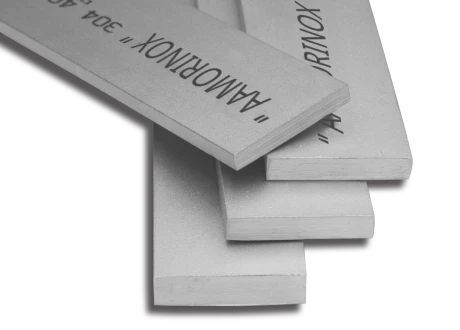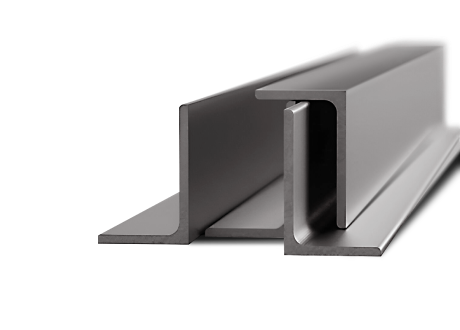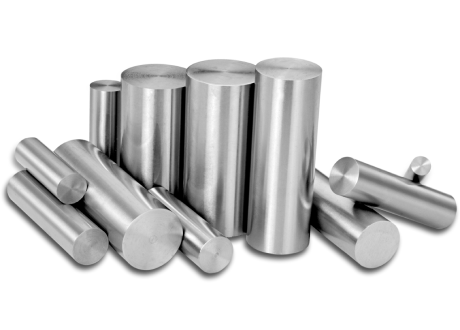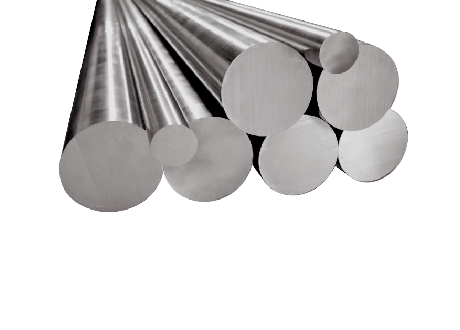

304L is often purchased as a chemistry. It is consumed as a manufacturing input.
That difference explains why two bars carrying the same grade designation can behave differently during straightening, machining, welding or polishing. Carbon below 0.03% is important, but it does not define straightness, cold-work level, surface integrity, internal soundness or machining stability.
What Is Stainless Steel 304L?
304L is a low-carbon austenitic chromium-nickel stainless steel. It combines general corrosion resistance, ductility, toughness, formability and weldability with broad industrial availability.
The L identifies restricted carbon. During an unsuitable thermal cycle, carbon can combine with chromium and form chromium-rich carbides at grain boundaries. The regions beside those boundaries may become depleted in chromium and more vulnerable to intergranular corrosion.
Limiting carbon reduces this sensitisation risk, particularly in welded fabrication. It does not make the alloy immune to poor welding practice, chloride attack, contamination or unsuitable service conditions.
Common 304L Designations
| Designation system | Common reference |
|---|---|
| European material number | 1.4307 |
| EN steel name | X2CrNi18-9 |
| AISI / UNS | 304L / S30403 |
| Former UK BS 970 reference | 304S11 |
These are useful cross-references, not automatic permission to substitute one standard for another. Chemistry limits, mechanical properties, product form, delivery condition and testing requirements can differ. The purchase order should identify the governing standard and required edition.
304L Properties in Manufacturing Terms
Properties depend on the product standard, section size and delivery condition.
| Property | Practical implication |
|---|---|
| Austenitic microstructure | High ductility and toughness; generally non-magnetic when solution annealed |
| Low carbon content | Reduced sensitisation risk during typical welding thermal cycles |
| Work-hardening response | Strength and hardness rise during cold drawing, forming and cutting |
| Heat-treatment response | Cannot be hardened by conventional quench-and-temper treatment |
| Thermal behaviour | Relatively low thermal conductivity and high thermal expansion require control during welding and machining |
| General corrosion resistance | Suitable for many atmospheric, freshwater, food-processing and mildly corrosive environments |
| Machinability | More demanding than free-machining grades because of ductility, work hardening and chip control |
Cold work can introduce magnetic response and alter strength, residual stress and machining behaviour even when chemistry is unchanged.
The Practical Benefits of 304L
1. Weldability: Low carbon reduces sensitisation risk in welded regions./p>
2. High ductility supports bending, drawing and cold forming.
3. Corrosion resistance and cleanability: Suitable finishing and fabrication support many processing environments.
4. Availability and product flexibility: Internationally recognised and available in several long-product conditions.
The benefit appears when grade, delivery condition and inspection are aligned with the component-not when 304L is treated as a universal default.
Industry Reality: Low Carbon Cannot Replace Process Control
A compliant 304L certificate does not guarantee a trouble-free production run.
Variation in straightness, ovality, cold work or surface condition changes setup and cutting behaviour. Repeated adjustment, reduced feed, extra roughing or premature tool changes can outweigh a lower material price.
Relatively high thermal expansion and low thermal conductivity also make weld distortion a practical risk, followed by straightening, re-machining or rejection.
Heat tint, embedded carbon-steel particles, rough weld finishing and fluid-retaining crevices can undermine corrosion performance even when the base metal is correctly certified.
Price per kilogram is visible. Machine hours, tooling, inspection delays, scrap and field risk are not.
Why the Delivery Condition of 304L Bright Bar Matters
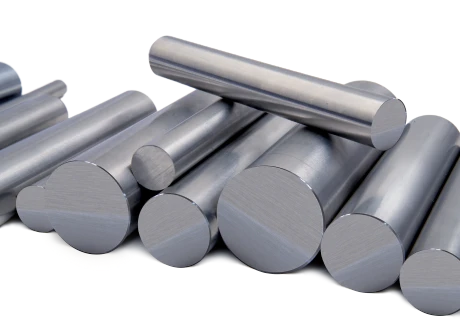
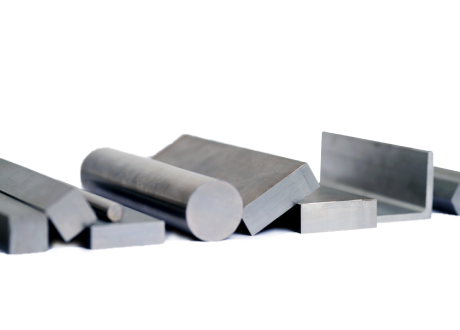
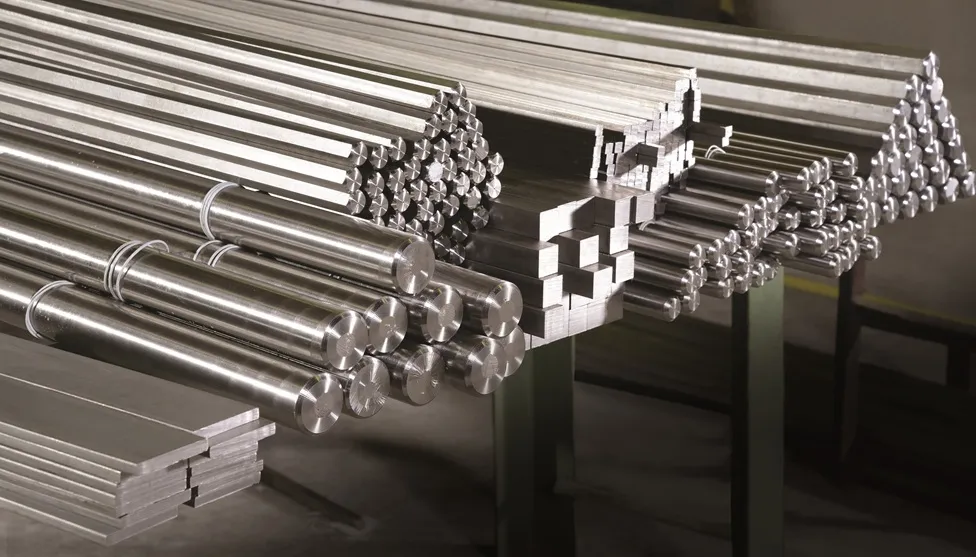
Hot rolling, turning, drawing, grinding and polishing create different manufacturing starting points.
| Delivery route | What it can provide | Buyer consideration |
|---|---|---|
| Hot-rolled / annealed | Flexible stock with limited cold work | More machining allowance and dimensional variation |
| Peeled / smooth-turned | Removed surface and controlled stock allowance | Define straightness, residual condition and surface acceptance |
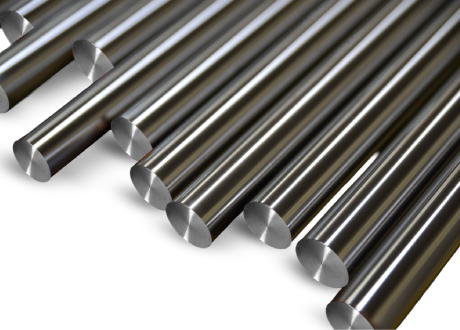
| Cold-drawn bright bar | Close dimensions and bright surface | Cold work may increase hardness and machining difficulty |
| Centreless-ground bar | Tight diameter, roundness and consistent finish | Match tolerance, straightness and finish to the final component |
For long parts, also define straightness, ovality, length, end condition, surface acceptance and machining allowance.
Machining 304L Stainless Steel
304L is ductile and work-hardens during cutting. If the tool rubs instead of cutting positively, it leaves a harder surface for the following pass. Long chips, built-up edge and concentrated heat can then reduce tool life and compromise finish.
Rigid workholding, sharp tooling, positive cutting, chip control and well-directed coolant are important. Avoid dwell and rubbing. Diameter, bar condition, rigidity, tooling, operation and finish determine the stable machining window.
Cold-drawn bar reduces starting variation but may machine less easily than solution-annealed stock. Less roughing allowance does not guarantee lower component cost.
Welding, Heat Treatment and Post-Fabrication Condition
304L is widely selected for welded assemblies because restricted carbon lowers sensitisation risk. A qualified welding procedure must still address filler selection, joint design, thickness, heat input, restraint, shielding, cleanliness and service conditions.
Generic preheat or interpass-temperature rules cannot replace the applicable procedure or code. 304L cannot be hardened by conventional heat treatment. Controlled solution annealing may restore a more uniform condition after severe cold work or unsuitable thermal exposure.
Heat tint, scale and iron contamination may require cleaning, pickling or passivation appropriate to the service and specification.
Corrosion Resistance: Where 304L Reaches Its Limits
304L performs well in many atmospheric, freshwater, food-processing and mildly corrosive environments. Its passive film can reform when the surface is clean and the environment supports passivity.
Chloride service requires caution. Pitting, crevice corrosion and chloride stress-corrosion cracking depend on temperature, pH, oxygen, deposits, geometry, surface finish, stress and cleaning-not chloride concentration alone.
Sustained salt spray, seawater, stagnant chloride solutions, aggressive cleaning chemicals or warm chloride-bearing fluids may require 316L, duplex stainless steel or another higher-alloy option.
For hygienic applications, grade selection is only one part of cleanability. Surface topography, drainage, crevice avoidance, weld finishing and cleaning practice remain critical.
Major Applications of 304L Long Products
304L bar is used for fittings, valve components, couplings, pins, fasteners, instrumentation, architectural hardware and process equipment.
In pump, fluid-handling and hydraulic systems, it can suit selected shafts, agitator parts, rods, pins and manifolds where loads, wear and chloride exposure are moderate. It should not automatically replace hardened martensitic, precipitation-hardening or plated steels in highly loaded hydraulic rods.
In Swiss machining, straightness, diameter consistency, surface condition and stable cold-work response are decisive. If productivity dominates and welding is unnecessary, a free-machining grade may be more appropriate.
Aerospace, pressure, oil-and-gas, food and pharmaceutical applications can impose additional approval, traceability, surface, testing or code requirements. An application name alone is not a material approval.
304L Compared With Common Alternatives
| Grade | Primary reason to select it | Principal caution |
|---|---|---|
| H304L / 1.4307 | Welded fabrication with general corrosion resistance | Limited in severe chloride exposure; not heat-treatable to high strength |
| 304 / 1.4301 | General-purpose components where the carbon limit is acceptable | Governing specification and welded service require review |
| 316L / 1.4404 | More demanding chloride or chemical exposure | Higher alloy content does not compensate for poor design or finishing |
| 303 / 1.4305 | Machining-led production requiring better chip breaking | Lower weldability and potentially lower corrosion performance |
Dual certification to 304 and 304L is common, but it must satisfy the exact product standard ordered. It is not blanket equivalence across EN, ASTM and customer specifications.
Specifying 304L for Europe, the UK, the USA and India
European and UK buyers commonly specify 1.4307 / X2CrNi18-9. BS EN 10088-3 covers general-purpose stainless long products; BS EN 10278 addresses bright-product dimensions and tolerances. Former BS 970 grade 304S11 remains relevant to legacy drawings.
US enquiries may specify UNS S30403 under ASTM A276/A276M for general bar applications. ASTM A479/A479M is used for boiler and pressure-vessel bar, with ASTM A484/A484M providing referenced general requirements.
Indian and international projects frequently use EN, ASTM or customer-specific requirements. Every enquiry should state:
1. governing specification and edition
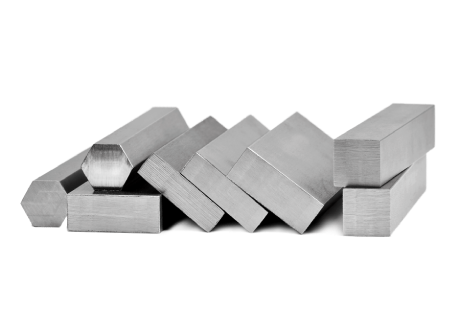
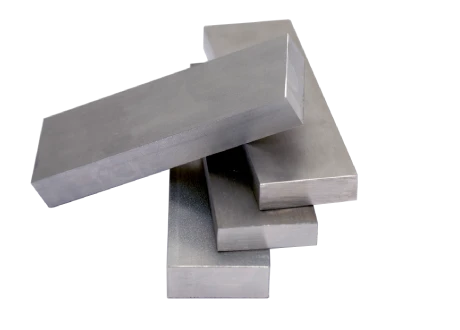
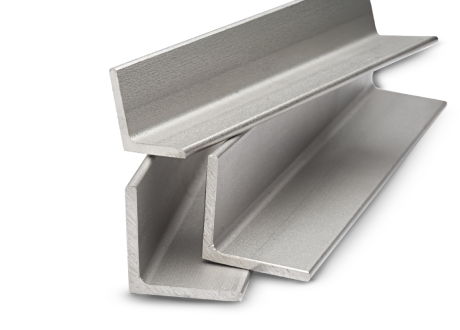
2. Shape, dimensions, length, quantity and delivery condition
3. Tolerance, ovality, straightness, surface and mechanical requirements
4. Application-specific testing and corrosion requirements
5. NDT method, standard, coverage, sensitivity and acceptance criteria
6. Certification, traceability, marking and packaging
Ultrasonic and eddy-current examination address different discontinuity types and are not interchangeable. “UT tested” is incomplete unless the method, coverage, sensitivity and acceptance level are agreed.
The Grade Is the Starting Point
304L succeeds because it balances weldability, ductility, corrosion resistance, formability and availability. Its low carbon content solves an important metallurgical problem, but it does not replace disciplined manufacturing or precise purchasing.
When chemistry, delivery condition, dimensional control, surface integrity, fabrication and inspection are aligned with the application, 304L becomes more predictable to machine, weld, certify and use.
Learn More
At Aamor Inox, we work closely with OEMs, machine shops, distributors, and engineering teams across global industries where consistency, precision, and process reliability matter. From stainless steel bright bars and PSQ grades to precision-engineered specialty long products, our focus goes beyond simply supplying material - it is about delivering repeatable performance across demanding manufacturing environments.
Our Nadcap-accredited heat-treatment and non-destructive testing capabilities strengthen process control, inspection reliability and material traceability for aerospace and other quality-critical applications.
Our NDT infrastructure includes emulsion-coupled ultrasonic testing and FOERSTER eddy-current testing systems. Depending on the product geometry and agreed inspection plan, these systems support examination for internal discontinuities and surface or near-surface imperfections. The applicable method, reference standard, coverage, sensitivity and acceptance criteria are agreed at the enquiry stage.
Where required, supply can also be aligned with customer-specific mechanical testing, dimensional inspection, marking, traceability and certification requirements. To discuss your application or sourcing requirements, share the applicable specification, dimensions, delivery condition, surface finish, testing and certification requirements with our team. Explore more insights on stainless steel manufacturing, machining performance, quality systems and process reliability at Aamor Inox.

A-30, Site 4, UPSIDC Industrial Area, Sahibabad, Ghaziabad 201010, Uttar Pradesh, India
Plot #10, Site 2, Industrial Area, Loni Road Mohan Nagar, Ghaziabad 201007, Uttar Pradesh, India
Let’s Start Your Project