Get a Quote
great logo
Banner Banner

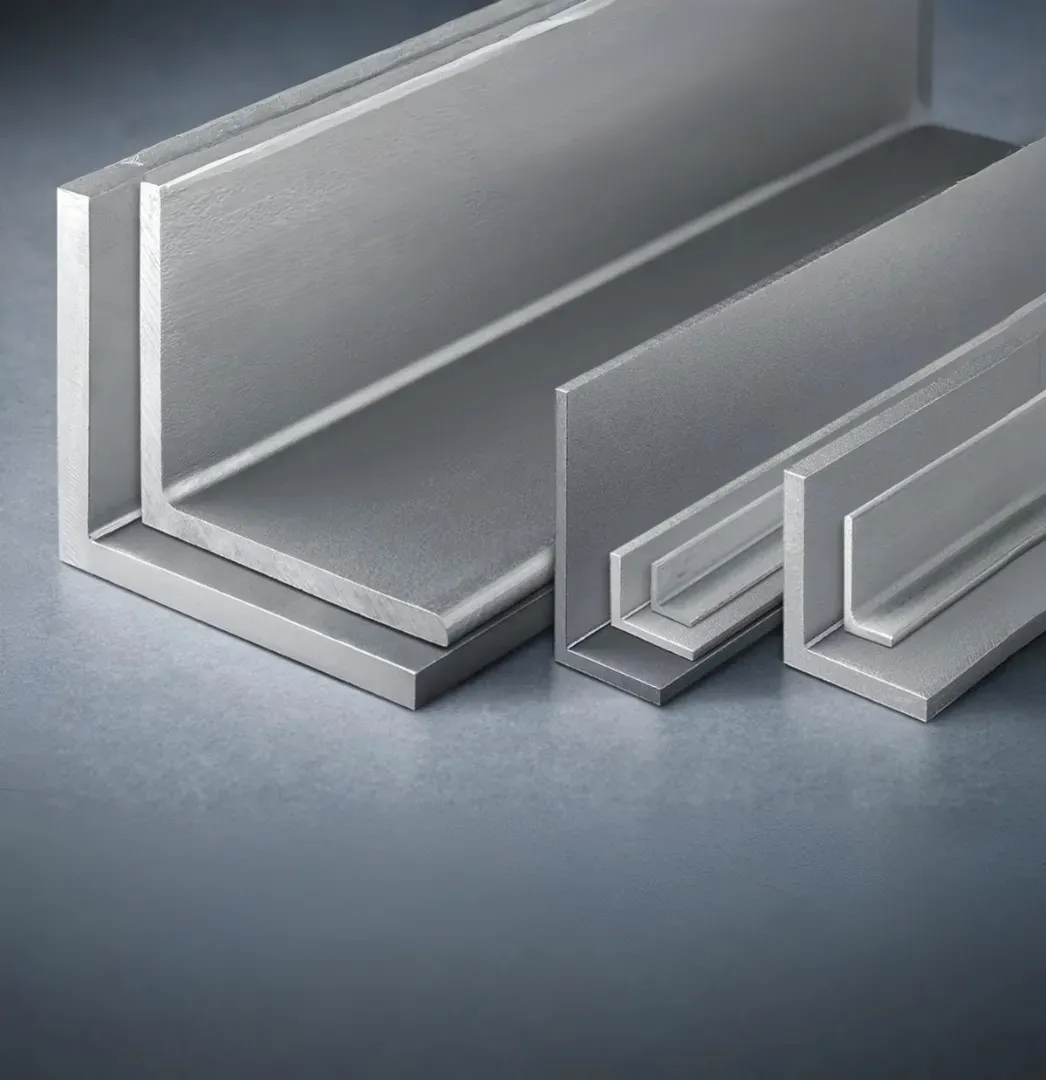
Stainless Steel Unequal Angles Manufacturer for European Fabrication & Engineering Applications

about

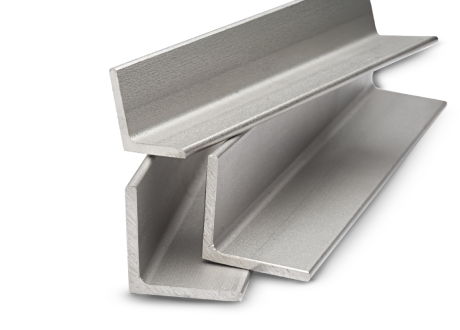
Aamor Inox is a premier company that manufactures top-grade stainless steel unequal angles in grades 304L / 1.4307 and 316Ti / 1.4571 meeting the specific needs of European fabrication, process equipment, structural, architectural, and industrial engineering applications.

We supply stainless steel unequal angles to customers across Europe and over 60 countries all over the world, supporting industries where dimensional consistency, fabrication precision, corrosion resistance, and dependable structural performance are critical.

Learn More
about
about
Our Stainless Steel Unequal Angles Are Widely Used Across:
  • Fabrication & Structural Engineering
  • Process Equipment
  • Food & Dairy Equipment
  • Chemical Processing
  • Architectural Structures
  • Marine & Coastal Applications
  • Industrial Frames & Supports
  • Machinery Fabrication
  • Heat Exchanger Systems
  • General Engineering
Long-Term Performance Is Heavily Influenced By:
    • Angle geometry
    • Leg dimension consistency
    • Straightness
    • Twist control
    • Edge quality
    • Weldability
    • And surface condition.

In fabrication-intensive applications, unequal angles are not merely structural profiles.

At Aamor Inox, these parameters are engineered directly into the manufacturing process.

EN / DIN Focused Manufacturing for European Markets

Aamor Inox manufactures stainless steel unequal angles aligned with demanding European engineering and dimensional expectations.

Supply Standards & Requirements

Our unequal angles can be supplied as per:

  • EN 10088
  • EN / DIN dimensional practices
  • Customer-specific tolerances
  • Project-specific fabrication requirements

Why Manufacturing Consistency Matters

For fabrication-grade stainless steel profiles, manufacturing consistency becomes critically important for:

  • Leg dimension accuracy
  • Angle squareness
  • Straightness control
  • Twist minimization
  • Edge quality
  • Welding consistency

Manufacturing & Inspection Systems

Our manufacturing and inspection systems are designed to help ensure:

  • Dependable profile geometry
  • Reliable surface quality
  • Fabrication-ready consistency
  • Controlled straightness
  • Repeatable dimensional accuracy

Discuss Your Stainless Steel Unequal Angle Requirement

Explore profiles, request technical data, or discuss custom EN / DIN fabrication expectations.

Explore Our Stainless Steel Profiles Request Technical Datasheet Discuss Your EN / DIN Requirement

Our Product Range in Stainless Steel Unequal Angles

Stainless Steel Unequal Angles in 304L / 1.4307 and 316Ti / 1.4571
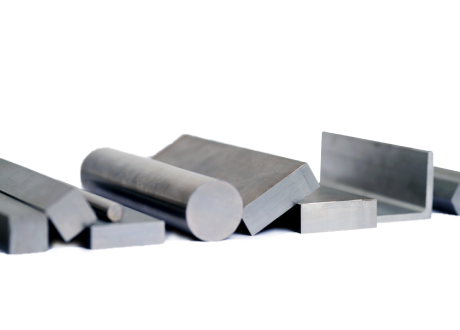
Aamor Inox manufactures stainless steel unequal angles for demanding fabrication and industrial engineering applications requiring dimensional consistency and dependable fabrication performance.

Grades Available

  • 304L / 1.4307
  • 316Ti / 1.4571

Size Range

20x10x3mm upto 100x75x10mm

Custom Size Unequal Angles are also available upon request

Supply Conditions

  • Hot Rolled
  • Annealed & Pickled
  • Straightened
  • Cut-to-Length
  • Project-specific supply conditions available

Key Manufacturing Focus

  • Leg dimension consistency
  • Angle squareness
  • Straightness control
  • Twist minimization
  • Surface quality
  • Edge condition

Applications

Fabrication Structures Machinery Frames Process Equipment Food & Dairy Equipment Chemical Plant Supports Architectural Structures Industrial Brackets Marine & Coastal Structures
Explore Fabrication Grade Stainless Steel Profiles

Why Unequal Angle Geometry Matters in Fabrication

In fabricated structures, even small inconsistencies in unequal angle geometry can progressively affect fit-up accuracy, frame alignment, weld gap consistency, assembly precision, load distribution, and long-term installation quality.

Small Geometry Variations Can Affect:

  • Fit-up accuracy
  • Frame alignment
  • Weld gap consistency
  • Assembly precision
  • Load distribution
  • Installation quality

Poor Profile Control May Later Contribute To:

  • Welding distortion
  • Uneven load transfer
  • Alignment correction during assembly
  • Excessive fabrication rework
  • Dimensional inconsistency in finished structures

Profile Repeatability Helps Maintain:

  • Fabrication efficiency
  • Welding precision
  • Assembly speed
  • Installation consistency
  • Long-term structural reliability

This is why unequal angles should be treated as precision fabrication profiles — not merely commodity stainless sections.

Why Manufacturing Stainless Steel Unequal Angles Requires Tight Process Control

Manufacturing high-quality stainless steel unequal angles involves significantly tighter control than conventional structural rolling.

Profile Quality Is Heavily Influenced By:

  • Leg dimension accuracy
  • Angular consistency
  • Rolling stability
  • Twist control
  • Edge integrity
  • Straightening precision

Small Profile Variations May Later Create:

  • Inconsistent weld gaps
  • Frame squareness issues
  • Assembly misalignment
  • Fabrication delays
  • Structural fitment problems

Especially Important In Applications Such As:

  • Machinery frames
  • Process structures
  • Support systems
  • Chemical equipment
  • Architectural fabrication

At Aamor Inox, manufacturing systems are developed specifically to support stable profile geometry and fabrication-ready quality.

304L / 1.4307 Stainless Steel Unequal Angles

Low Carbon Stainless Steel Unequal Angles for Fabrication & Hygienic Applications

304L / 1.4307 is one of the most widely used stainless steel grades for unequal angles in fabrication and structural engineering applications.

The low carbon content in 304L helps reduce carbide precipitation during welding, improving resistance to intergranular corrosion in welded assemblies.

It Is Preferred Because It Combines:

  • Corrosion resistance
  • Good weldability
  • Fabrication flexibility
  • Low carbon content
  • And reliable surface finish capability

This Makes 304l Unequal Angles Highly Suitable For:

  • Food & dairy fabrication
  • Hygienic structures
  • Architectural fabrication
  • Industrial support systems
  • Machinery fabrication
  • Welded structures
  • And general corrosion-resistant engineering

Why 304L Performs Reliably in Fabricated Structures

For fabrication-intensive applications, material behavior during welding and forming becomes critically important.

Poor Profile Consistency May Later Contribute To:

  • Welding distortion
  • Uneven polishing response
  • Assembly inconsistency
  • Surface finish variation
  • Installation challenges

304L Is Widely Preferred Because It Offers:

  • Weldability
  • Formability
  • Corrosion resistance
  • Fabrication stability

Why It Matters in European Fabrication Environments

This makes 304L highly suitable for demanding European fabrication environments where both dimensional precision and visual finish quality matter.

316Ti / 1.4571 Stainless Steel Unequal Angles

Titanium Stabilized Stainless Steel Unequal Angles for Process & Elevated Temperature Applications

316Ti / 1.4571 stainless steel unequal angles are widely used in demanding industrial applications requiring corrosion resistance, fabrication reliability, and elevated-temperature stability.

316Ti is titanium stabilized, helping improve resistance to sensitization during welding and elevated-temperature service conditions.

Compared to Standard Austenitic Stainless Steels, 316Ti Offers:

  • Improved elevated-temperature stability
  • Dependable corrosion resistance
  • Reliable fabrication behavior
  • Good long-term metallurgical stability

Why 316Ti Unequal Angles Are Highly Suitable For:

316Ti unequal angles are widely selected where corrosion resistance, fabrication reliability, and elevated-temperature stability are important for dependable long-term industrial performance.

Chemical processing systems

Heat exchanger structures

Marine environments

Process plant fabrication

Industrial support systems

High-temperature engineering applications

Why Metallurgical Stability Matters in 316Ti

In chemical and elevated-temperature environments, long-term reliability is influenced not only by corrosion resistance, but also by metallurgical stability during fabrication and service.

Poor Material Stability May Later Contribute To:

  • Weld-zone degradation
  • Sensitization-related corrosion
  • Surface deterioration
  • Reduced fabrication life
  • Premature structural degradation

Why 316Ti Helps Reduce These Risks

316Ti helps reduce these risks through titanium stabilization, making it particularly suitable for demanding process-industry applications where welded structural reliability is important.

Why This Balance Becomes Especially Valuable

For process structures and support systems operating in corrosive or elevated-temperature environments, the balance between corrosion resistance and metallurgical stability becomes especially valuable for dependable long-term performance.

Common Problems in Poor-Quality Stainless Steel Unequal Angles

In fabrication projects, poor-quality unequal angles can create challenges much later during assembly and installation.

Common Issues Include

  • Poor fit-up accuracy
  • Angle twist
  • Inconsistent leg dimensions
  • Welding misalignment
  • Excessive fabrication rework
  • Uneven polishing response
  • Installation inconsistency

These Problems Often Originate From

  • Unstable rolling practices
  • Poor profile control
  • Inadequate straightening
  • Inconsistent edge quality
  • Weak dimensional inspection systems

Demanding Fabrication Environments, Can Directly Affect

  • Fabrication productivity
  • Welding quality
  • Installation timelines
  • Overall project efficiency

This is why profile consistency becomes critically important in stainless steel unequal angles.

Key Properties & Typical Applications of Stainless Steel Unequal Angles

Material properties and application suitability of 304L and 316Ti stainless steel unequal angles.

Key Properties of 304L Unequal Angles:

Excellent Weldability

Low carbon content supports reliable welding performance.

Good Corrosion Resistance

Suitable for industrial, architectural, and hygienic applications.

Reliable Fabrication Behavior

Suitable for welded structures and fabrication systems.

Good Surface Finish Capability

Supports aesthetic and polished fabrication requirements.

Strong General-Purpose Performance

Widely used across structural and engineering applications.

Key Properties of 316Ti Unequal Angles

Titanium Stabilized Grade

Improves resistance to sensitization in elevated-temperature service.

Excellent Corrosion Resistance

Suitable for chemical and marine environments.

Good Elevated-Temperature Stability

Reliable for demanding industrial applications.

Reliable Fabrication Performance

Suitable for welded structures and process systems.

Good Long-Term Metallurgical Stability

Preferred where fabrication reliability and corrosion resistance are critical.

Typical Applications of Stainless Steel Unequal Angles

304L and 316Ti stainless steel unequal angles are widely used in:

• Structural Fabrication
• Machinery Frames
• Food & Dairy Equipment
• Chemical Processing Plants
• Heat Exchanger Supports
• Industrial Platforms
• Architectural Structures
• Marine Systems
• Process Equipment
• Industrial Support Structures
• Welded Stainless Steel Assemblies

International Equivalents

Grade EN AISI / Common Name UNS
304L 1.4307 304L S30403
316Ti 1.4571 316Ti S31635

Why European Customers Choose Aamor Inox for Stainless Steel Unequal Angles

Manufacturing Philosophy Focus

European customers trust Aamor Inox because our manufacturing philosophy focuses on:

• Profile consistency
• Fabrication precision
• Geometry control
• Weldability
• Surface integrity
• Dependable structural performance

Why Customers Choose Us

• EN / DIN Oriented Manufacturing
• Reliable Leg Dimension Control
• Consistent Angle Geometry
• Good Straightness Control
• Annealed & Pickled Surface Quality
• Custom Cut-to-Length Supply
• Batch-to-Batch Repeatability
• Full Traceability & Certifications

Frequently Asked Questions (FAQ)

Stainless steel unequal angles are widely used in:

  • Fabrication structures
  • Machinery frames
  • Process equipment
  • Architectural supports
  • Industrial brackets
  • Marine structures
  • And welded assemblies

304L offers:

  • Good corrosion resistance
  • Excellent weldability
  • Fabrication flexibility
  • And low carbon content suitable for welded applications

316Ti is preferred where applications require:

  • Corrosion resistance
  • Elevated-temperature stability
  • Resistance to sensitization
  • And dependable fabrication performance

during transportation if improperly packed. This is why engineered packaging becomes extremely important for PSQ products.

Poor angle geometry can negatively impact:

  • Fit-up accuracy
  • Weld alignment
  • Frame squareness
  • Assembly precision
  • And installation quality

Yes.

  • Aamor Inox supplies stainless steel unequal angles aligned with European EN / DIN dimensional expectations and customer-specific fabrication requirements.
icon
Stainless Steel Bright Round Bars
icon
Hexagonal & Square Bars – Cold Drawn
icon
Cold Drawn Flat Bars
icon
Angles
icon
Flats & Squares (HRAP)
icon
Un-Equal Angles (HRAP)
icon
High Strength Round Bars
icon
Hot Rolled Round Bars
icon
Special Grades & Alloys
icon
Piston Shaft, Pump Shaft & Precision Bars

Aamor Inox Limited

Corporate Office & Round Bars Manufacturing Unit

A-30, Site 4, UPSIDC Industrial Area, Sahibabad, Ghaziabad 201010, Uttar Pradesh, India

Profile & Section Manufacturing Unit

Plot #10, Site 2, Industrial Area, Loni Road Mohan Nagar, Ghaziabad 201007, Uttar Pradesh, India

Close
Let’s Start Your Project