Get a Quote
great logo
Banner Banner

420 / 1.4021 Stainless Steel Bars & Precision Shafting Solutions

Heat Treatable 420 Stainless Steel Bright Bars, Precision Shaft Bars & Pump Shaft Quality Bars Manufacturer for European Engineering Industries

Aamor Inox manufactures premium-quality 420 / 1.4021 stainless steel long products for demanding European valve, pump, hydraulic, pneumatic, piston rod, tooling, surgical, cutlery, rotating-equipment, and precision engineering industries requiring hardness, wear resistance, polishability, dimensional stability, and dependable heat treatment response.

Explore Our 420 Stainless Steel Range

Trusted Across Critical-service Engineering Applications In More Than 60 Countries, Our 420 Stainless Steel Solutions Are Supplied Extensively Across:

  • Germany
  • Italy
  • Netherlands
  • Scandinavia
  • France
  • Wider Europe
  • Middle East
  • Global Pump, Valve & Precision Engineering Markets

Our 420 / 1.4021 Product Range Includes:

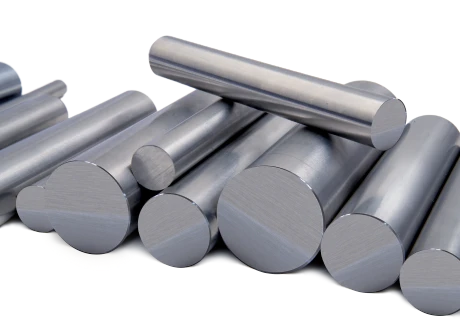
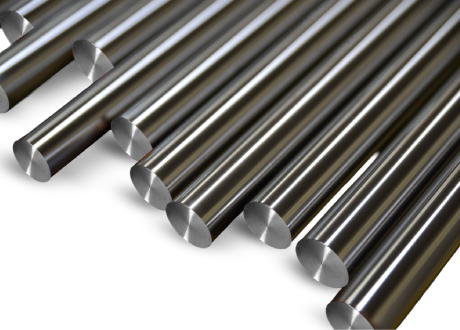
  • Bright Centreless Ground Round Bars
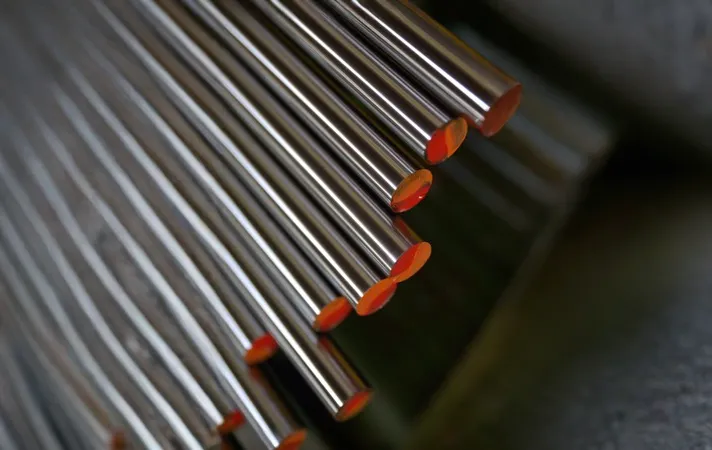
  • Hot Rolled Peeled Bars
  • Precision Bright Bars
  • Pump Shaft Quality (PSQ) Bars
  • Piston & Pump Shaft Quality Bars
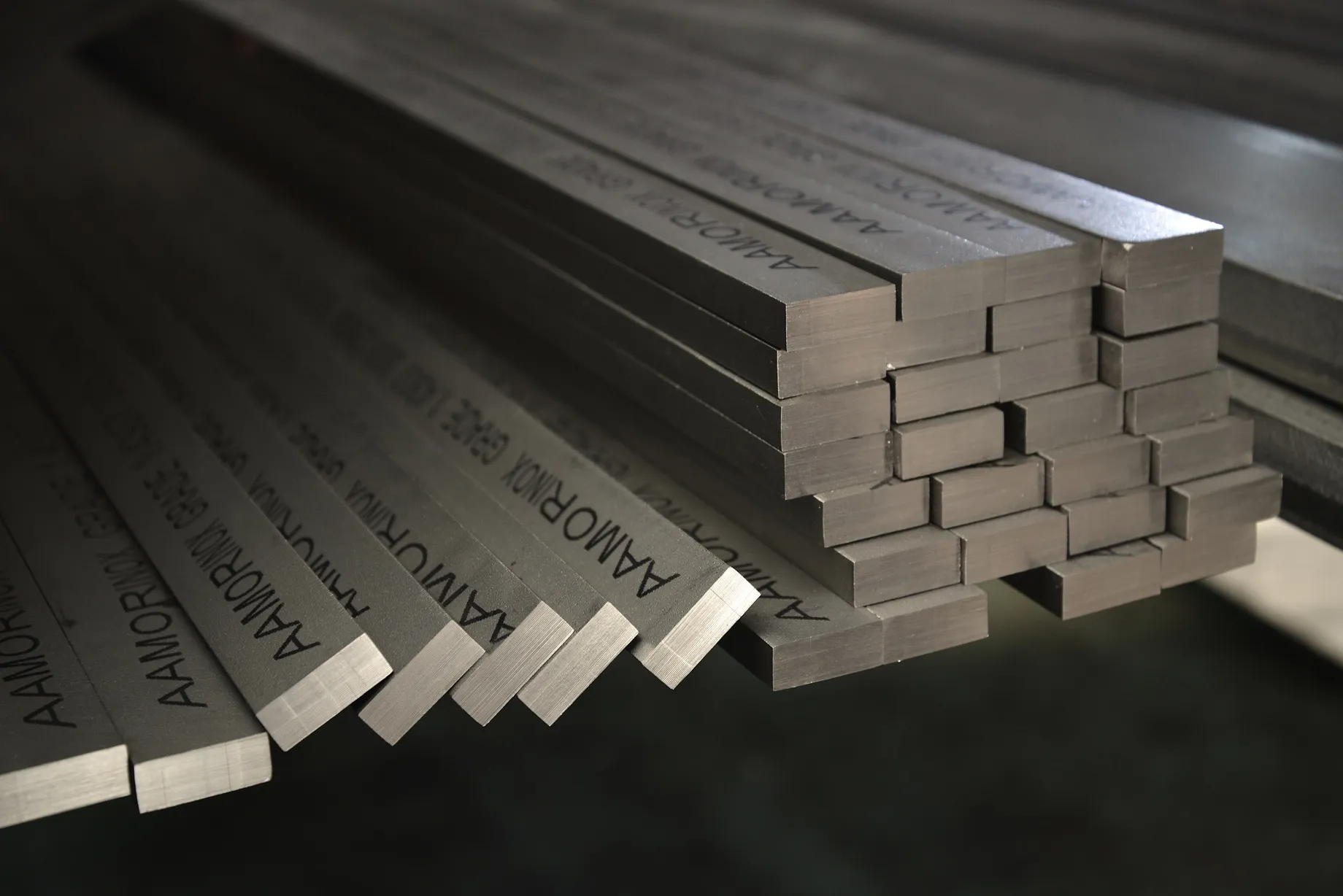
  • HRAP Flat Bars
See Our Global Certifications

Why 420 / 1.4021 is Widely Used in European Engineering Applications

420 / 1.4021 is one of Europe’s most widely used heat-treatable martensitic stainless steels for components requiring hardness, wear resistance, polishability, and moderate corrosion resistance.

The Grade Offers A Practical Combination Of:
  • High hardness after heat treatment
  • Good wear resistance
  • Reliable mechanical strength
  • Good polishability
  • Magnetic martensitic structure
  • Dependable dimensional stability when properly processed
This Makes The Grade Highly Suitable For:
  • Valve components
  • Pump shafts
  • Piston rods
  • Hydraulic and pneumatic components
  • Motor shafts & spindles
  • Fasteners, bolts and nuts
  • Gears and wear parts
  • Shear blades and cutting tools
  • Surgical instruments
  • Precision machined components

Compared to softer austenitic stainless grades, 420 / 1.4021 offers significantly better hardness and wear performance. Compared to lower-carbon martensitic grades, it provides stronger surface durability after hardening and tempering.

Manufacturing Philosophy Behind Aamor Inox 420 Products

At Aamor Inox, 420 stainless steel products are engineered for demanding wear-resistant, shafting, valve, and precision engineering applications where long-term performance depends heavily on

Our Manufacturing Systems Are Developed Specifically To Support:

• Stable machining behavior
• Reliable hardness response
• Low distortion after heat treatment
• Dependable shaft geometry
• Repeatable batch-to-batch performance

Key Manufacturing Focus on:

▸ Controlled metallurgy
▸ Heat treatment consistency
▸ Hardness distribution
▸ Dimensional repeatability
▸ Straightness stability
▸ Surface integrity

Process Reliability Matters More Than Final Inspection

For heat-treatable martensitic grades such as 420 / 1.4021, quality is not created only during final inspection. Long-term component performance is heavily influenced by

Long-term Component Performance Is Heavily Influenced By:
  • Heat treatment stability
  • Controlled hardening and tempering
  • Surface finishing discipline
  • Dimensional control
  • Metallurgy management throughout manufacturing
Poorly Controlled Processing May Later Result In:
  • Inconsistent hardness
  • Distortion after hardening
  • Unstable machining behavior
  • Premature wear
  • Sealing problems
  • Dimensional instability during final machining

At Aamor Inox, our manufacturing philosophy focuses on building repeatability directly into the process itself — not depending only on post-production correction.

Heat Treatment Excellence

420 stainless steel performance is heavily influenced by hardening and tempering consistency. Our fully automatic German-made NADCAP accredited furnaces are developed specifically for:

German-made Nadcap Accredited Furnaces:
  • Controlled hardening & tempering
  • Stable hardness response
  • Dimensional stability
  • Low distortion behavior
  • Repeatable mechanical performance
Key Capabilities Include:
  • Annealed condition
  • Hardened & Tempered condition
  • Quenched & Tempered condition
  • Customer-specific hardness ranges
  • Application-specific mechanical properties
Our heat treatment systems conform to:
AMS 2750E API-6A NORSOK Requirements

Our Product Range

Our fully automatic centreless grinding lines from Italy are developed specifically for applications requiring:

Applications Requiring:
  • Close tolerance control
  • Superior shaft straightness
  • Low TIR performance
  • Precision cylindricity
  • Stable surface finish
  • Dependable dimensional consistency
Capabilities Include:
  • h6, h7 & h8 tolerance shafting
  • Precision roundness control
  • Controlled ovality
  • Low runout shafting
  • Polished shafting solutions
  • Long-length precision shafting

Typical Manufacturing Capability:

Size Range
6 mm to 150 mm
Length
Up to 8 meters
Precision Straightness
0.25 mm/m TIR
Surface Finish
Ra 0.2 µm / 12 RMS max

These systems support demanding pump, valve, piston rod, hydraulic, pneumatic, tooling, and precision engineering applications.

Chemical Composition (Weight %)

Grade C Si max Mn max P max Cr Cr
1.4021 / X20Cr13 0.16-0.25 1.00 1.50 0.040 0.030 12.0-14.0
AISI 420 0.15 min 1.00 1.00 0.040 0.030 12.0-14.0

Mechanical Properties (Typical values after heat treatment)

Condition Yield Strength Tensile Strength Elongation Impact / Notes
Annealed 760 MPa max Soft machining condition
QT 700 500 MPa min 700–850 MPa 13% min Typical EN condition
QT 750 550 MPa min 750–900 MPa 12% min Balanced strength & toughness condition
QT 800 600 MPa min 800–950 MPa 12% min Common engineering condition

Packaging Systems for Precision Shafting Products

For precision shafting, polished bars, piston rods, and ground components, manufacturing quality alone is not sufficient. Protection during transportation, export handling, loading, unloading, and storage becomes equally important for maintaining:

Protection During Transportation Maintains:
  • Shaft straightness
  • Polished surface finish
  • Edge condition
  • And dimensional integrity
Packaging Options Include:
  • ISPM-15 compliant wooden boxes
  • Cardboard tube packaging for precision shafts
  • Lifting-belt compatible packaging
  • Rust preventive wrapping
  • Collared bar protection systems
This Becomes Especially Important For:
Centreless ground shafting Polished piston rods Long-length precision bars Export-critical engineering products

NADCAP Accredited Manufacturing & Advanced NDT Capability

Aamor Inox is India's first stainless steel long-products manufacturer with NADCAP-accredited Heat Treatment as well as NADCAP-accredited Non-Destructive Testing (NDT) capabilities.

Inspection & Quality Assurance Capabilities Include:
  • Water Immersion Ultrasonic Testing
  • Eddy Current Testing through Dr. Foerster systems
  • Magnetic Particle Inspection (MPI)
  • Dimensional laser measurement systems
  • Precision straightness verification
  • Ovality & roundness control
  • Heat treatment traceability
  • Surface integrity verification
Ultrasonic Testing Capabilities Include:
  • ASTM A388
  • EN 10308
  • API 6A PSL 3
  • SEP 1920
  • MIL STD 2154

Global Standards & Specification Coverage

Aamor Inox supports manufacturing aligned with:

EN 10088 EN 10278 EN 10060 ASTM A484 ASTM A276 PED requirements AD 2000 requirements ASME requirements API-oriented specifications NORSOK expectations customer-specific engineering specifications

Surface Integrity for Wear & Seal-Contact Applications

For 420 / 1.4021, surface quality is especially important because the grade is frequently used in wear, sealing, polishing, and contact applications.

Poor Surface Integrity May Later Contribute To:
  • Premature seal wear
  • Leakage instability
  • Scoring
  • Inconsistent polishing response
  • Corrosion initiation
  • And reduced component life
Aamor Inox Manufacturing Systems Are Developed Specifically To Support:
  • Controlled surface finish quality
  • Stable grinding consistency
  • Polishability
  • Reliable seal-contact behavior
  • And dependable wear performance
This Becomes Particularly Important For:
Valve components Piston-rods Pump shafts Mechanical seal areas Surgical instruments Cutlery and tooling components

Why Global Customers Choose Aamor Inox for 420 Stainless Steel Products

Customers across demanding European pump, valve, hydraulic, pneumatic, tooling, surgical, and precision engineering industries trust Aamor Inox because our manufacturing philosophy focuses on:

Our manufacturing philosophy focuses on:
  • Process reliability
  • Metallurgy consistency
  • Hardness control
  • Dimensional accuracy
  • Surface integrity
  • And repeatable engineering performance
Why Customers Choose Us:
  • Precision Ground Shafting Expertise
  • Controlled Heat Treatment
  • NADCAP Accredited Heat Treatment & NDT
  • Advanced Inspection Systems
  • Superior Straightness Capability
  • Low TIR Shafting Solutions
  • Valve, Pump & Piston Rod Application Expertise
  • Strong Packaging Protection Systems
  • Batch-to-Batch Repeatability
  • Full Traceability & Certifications

Frequently Asked Questions (FAQ)

Why is 420 / 1.4021 stainless steel widely used in valve applications? +

420 / 1.4021 offers:

  • hardness,
  • wear resistance,
  • polishability,
  • and dimensional stability,

Making it highly suitable for valve parts, valve stems, sealing components, and fluid-control applications.

Can 420 stainless steel be hardened? +

Yes. 420 stainless steel is heat treatable and can achieve high hardness levels after proper hardening and tempering.

Is 420 / 1.4021 suitable for piston rods and pump shafts? +

Yes. 420 / 1.4021 is widely used for piston rods, pump shafts, hydraulic shafts, pneumatic shafts, and rotating components because it offers good wear resistance, hardness capability, and dependable surface finish performance.

Where is 420 / 1.4021 commonly used in Europe? +

In Europe, 420 / 1.4021 is commonly used in:

  • valve parts
  • pump shafts
  • piston rods
  • hydraulic components
  • pneumatic components
  • surgical instruments
  • cutlery
  • fasteners
  • motor shafts
  • tooling and wear parts
Why does heat treatment consistency matter in 420 stainless steel? +

Inconsistent heat treatment can lead to:

  • distortion
  • unstable hardness
  • reduced wear life
  • sealing issues
  • and dimensional instability

Controlled heat treatment becomes critical for predictable engineering performance.

Major Industry Applications

Valves, Pumps & Fluid Handling Systems

420 / 1.4021 is widely used in European pump and valve industries where hardness, polishability, sealing behavior, and wear resistance become important.

Widely used for:

  • Valve parts
  • Valve stems
  • Valve spindles
  • Pump shafts
  • Impeller shafts
  • Mechanical seal areas
  • Fluid-control components
  • Process pump systems

The grade is especially useful where components require a polished or finely ground surface together with dependable wear resistance.

Hydraulic, Pneumatic & Piston Rod Applications

420 stainless steel is well suited for piston and shafting applications requiring hardness, straightness, surface integrity, and consistent movement under cyclic loading.

Applications include:

  • Piston rods
  • Hydraulic shafts
  • Pneumatic shafts
  • Actuator rods
  • Cylinder components
  • Guide shafts
  • Reciprocating components
  • Fluid-power systems

In these applications, surface finish, roundness, straightness, and hardness consistency directly influence seal life, leakage resistance, and long-term operating performance.

Tooling, Cutting, Surgical & Industrial Applications

Tooling, Cutting & Wear-Resistant Components

420 / 1.4021 is widely used in wear-intensive applications because it can be hardened and polished effectively.

Typical applications include:

  • Shear blades
  • Cutting tools
  • Knives and cutlery
  • Wear plates
  • Tooling components
  • Machine knives
  • High-polish wear parts

The grade's ability to achieve high hardness after heat treatment makes it suitable for components exposed to friction, contact wear, and repeated cutting or sliding action.

Surgical, Medical & Precision Instrument Applications

420 stainless steel is commonly used for surgical and precision instrument applications where hardness, polishability, edge retention, and corrosion resistance are required.

Applications include:

  • Surgical instruments
  • Medical tool components
  • Precision hand tools
  • Polished instrument parts
  • Cutting and gripping components

For these applications, surface cleanliness, polishability, and heat treatment stability become especially important.

Industrial Machinery, Fasteners & Mechanical Engineering

420 / 1.4021 is widely used across European mechanical engineering applications requiring strength, wear resistance, and moderate corrosion resistance.

Common applications include:

  • Motor shafts
  • Spindles
  • Gears
  • Bolts and nuts
  • Studs
  • Machine components
  • Bearing-sized bars
  • Automatic screw machined parts
  • Industrial equipment components
icon
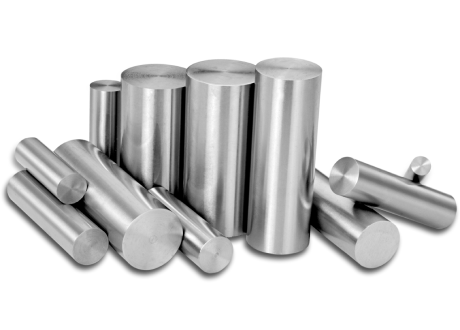
Stainless Steel Bright Round Bars
icon
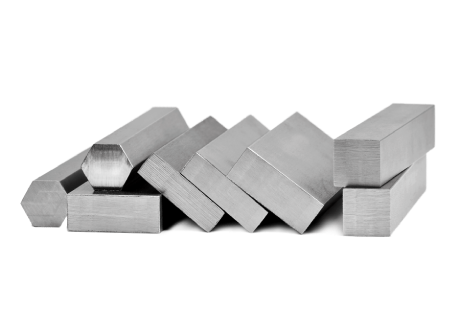
Hexagonal & Square Bars – Cold Drawn
icon
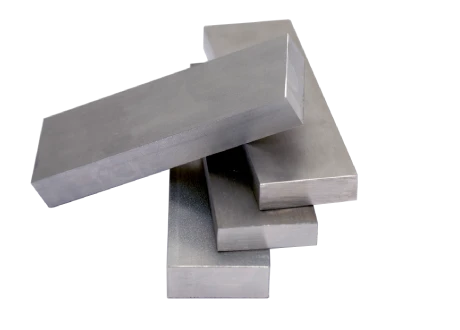
Cold Drawn Flat Bars
icon
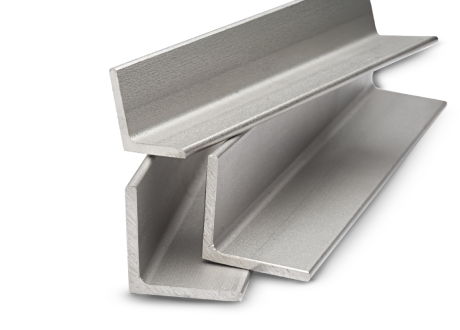
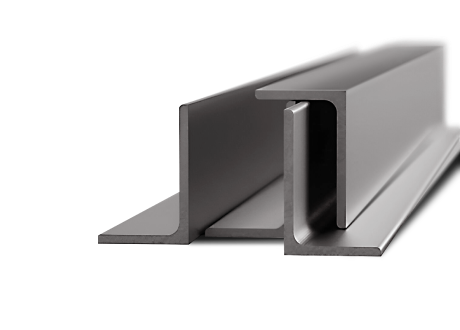
Angles
icon
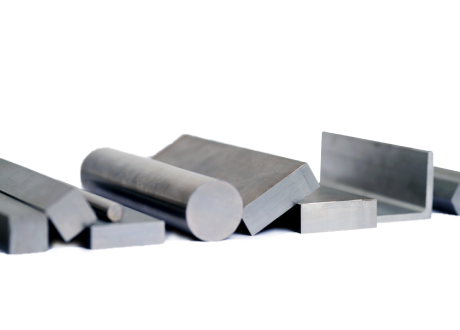
Flats & Squares (HRAP)
icon
Un-Equal Angles (HRAP)
icon
High Strength Round Bars
icon
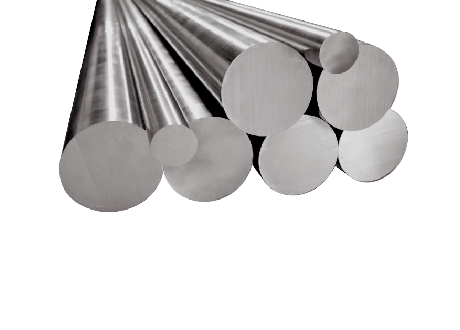
Hot Rolled Round Bars
icon
Special Grades & Alloys
icon
Piston Shaft, Pump Shaft & Precision Bars

Aamor Inox Limited

Corporate Office & Round Bars Manufacturing Unit

A-30, Site 4, UPSIDC Industrial Area, Sahibabad, Ghaziabad 201010, Uttar Pradesh, India

Profile & Section Manufacturing Unit

Plot #10, Site 2, Industrial Area, Loni Road Mohan Nagar, Ghaziabad 201007, Uttar Pradesh, India

Close
Let’s Start Your Project