Reach Us info@aamorinox.com
Duplex stainless steels occupy an interesting middle ground. They pull the best characteristics from austenitic and ferritic grades and combine them into a two-phase microstructure one that's tuned to give real mechanical strength alongside dependable corrosion resistance.
That's precisely why duplex grades turn up so often in parts that face heavy mechanical loading or sit in chloride-rich, aggressive environments. Set a duplex bar next to a standard austenitic one and the gap is obvious right away: markedly higher yield strength, and a much better shot at resisting chloride stress corrosion cracking. Depending on the specific grade and its intended service, duplex steels can also stand up well to pitting, crevice attack, erosion, and corrosion fatigue.
At Aamor Inox, we manufacture duplex stainless steel long products for customers who want more than a spec sheet promise. They want metallurgy they can rely on, dimensions that don't drift batch to batch, and full material traceability behind every bar. Our duplex lineup is built around 2205 duplex stainless steel better known under its designations UNS S32205 or EN 1.4462. Depending on which spec you're working to, you'll also see this same grade referenced as UNS S31803 or under the F51 designation.
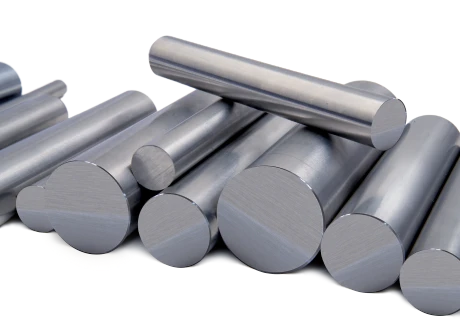
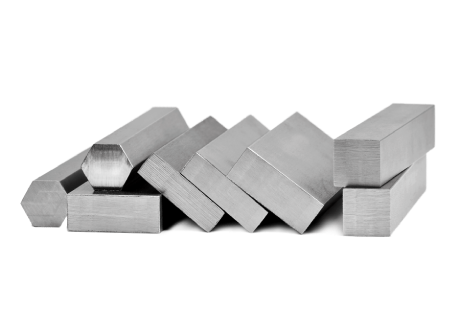
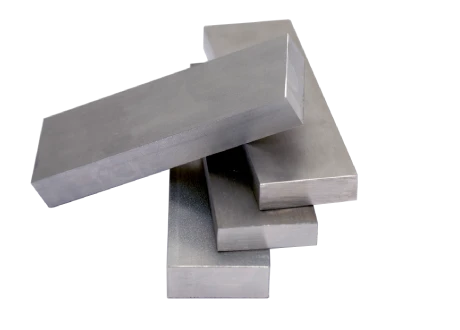
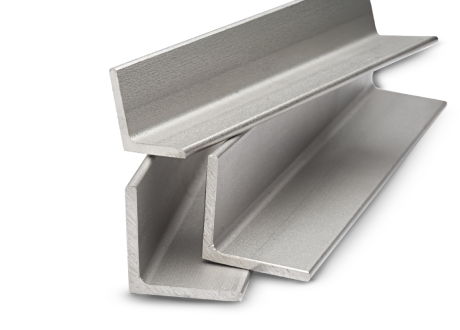
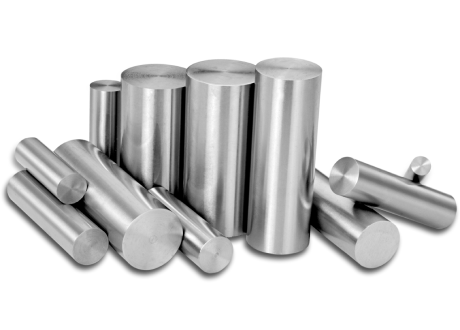
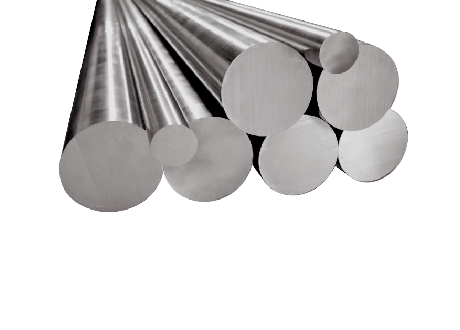
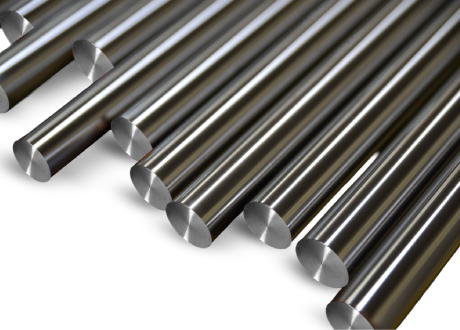
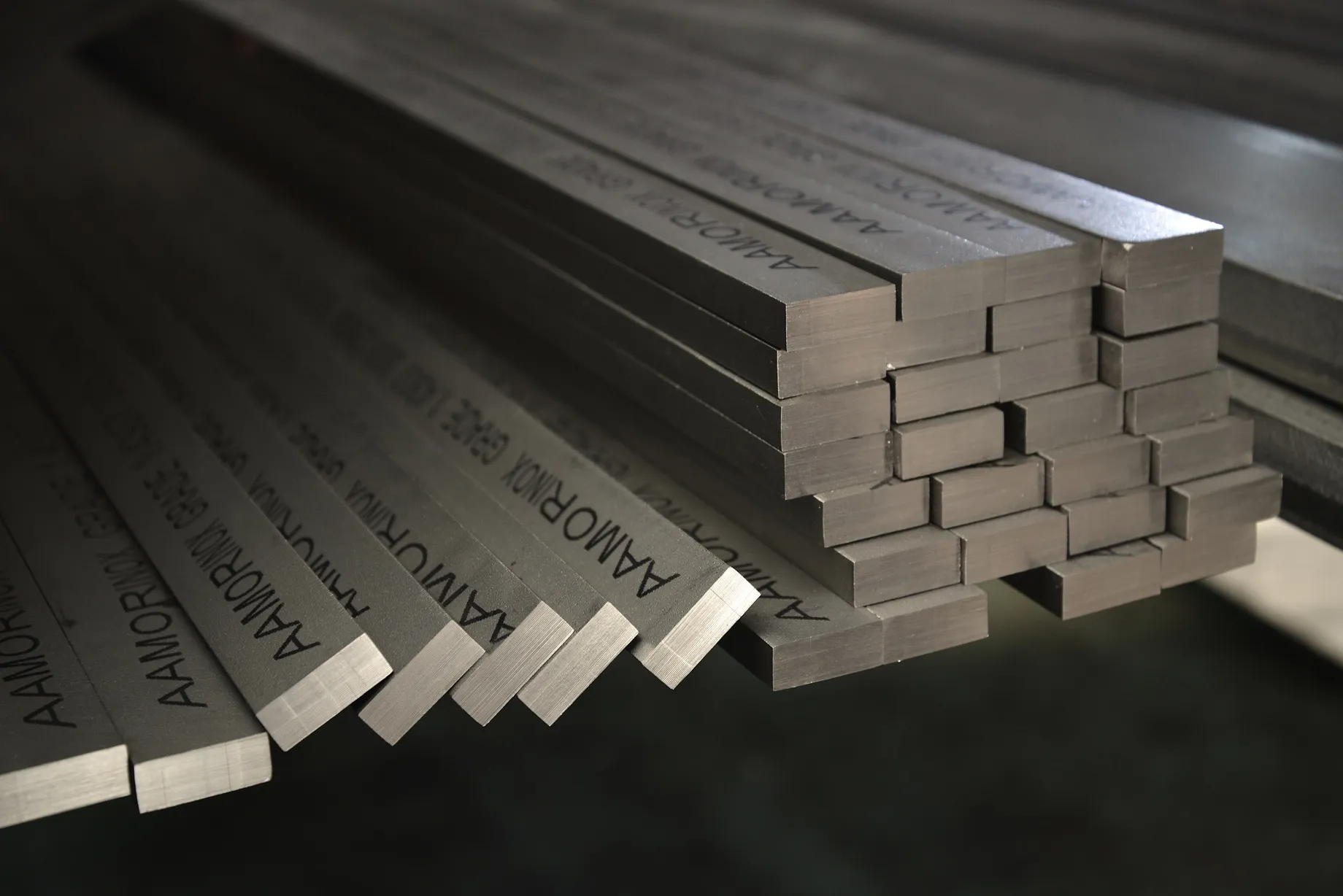
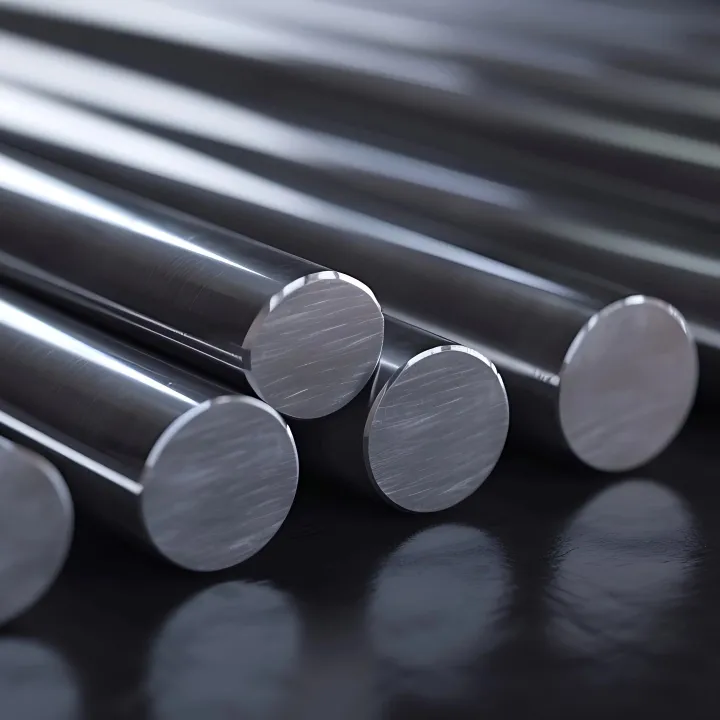
Aamor Inox manufactures and supplies duplex stainless steel bars and specialty long products for machining, shafting, fluid-handling, and other critical engineering applications.
Our principal duplex grade is:
Where applicable to the relevant product specification
A quick note on the naming: UNS S31803 and UNS S32205 are closely related 2205 duplex grades, but their chemistry ranges aren't identical, so they shouldn't be treated as interchangeable. F51 and F60, similarly, are forging designations under ASTM A182. The correct final designation needs to be confirmed against the product form and governing standard you're actually working to. Select super duplex stainless steel grades can also be considered on enquiry, depending on specification, dimensions, quantity, and manufacturing route.
Duplex stainless steels already carry substantially higher yield strength than conventional austenitic grades right out of the gate. On top of that baseline, Aamor Inox can develop duplex bars against specified high-tensile and high-yield mechanical property requirements subject, of course, to grade, diameter, final condition, and the applicable specification.
Here's the thing to keep in mind: unlike martensitic stainless steels, duplex grades aren't hardened by quenching and tempering in the conventional sense. Higher strength has to come from controlled chemistry, hot working, solution annealing, and where it's appropriate carefully managed cold working. Pushing tensile strength too far without watching toughness, corrosion resistance, and the ferrite–austenite balance is a mistake we're careful to avoid.
Mechanical properties can be supplied against an agreed specification, backed by the relevant testing and inspection documentation.
Heat treatment isn't just about softening or hardening the bar for duplex, it's about landing on the correct metallurgical structure while steering clear of harmful secondary phases. Get this step wrong and no amount of good chemistry upstream will save the finished part.
Aamor Inox runs fully automated, German-manufactured heat-treatment furnaces with data logging, tight temperature uniformity, and rapid quenching facilities. Our duplex heat-treatment process centres on controlled solution annealing followed by accelerated cooling, matched to the applicable grade and customer specification.
Heat-treatment cycles, holding temperatures, and cooling practices are all selected based on the material grade, bar diameter, and governing specification not applied as a one-size-fits-all recipe.
Aamor Inox supplies precision-ground duplex stainless steel shafts for pumps, valves, marine systems, mechanical seals, and rotating equipment anywhere corrosion resistance needs to be combined with high strength and tightly controlled shaft geometry.
These precision duplex shafts work particularly well for pump shafts, valve stems, agitator shafts, marine shafting, and fluid-handling components exposed to corrosive or chloride-bearing environments.
Our published capability for 1.4462/F51 precision shaft bars covers:
Duplex stainless steels show up across industries where long-term material integrity really matters, including:
Grade 2205 is, by a good margin, the most widely used standard duplex stainless steel. It offers a practical blend of strength, corrosion resistance, fabricability, and importantly for most buyers commercial availability.
It's a common choice for pump and valve components, shafts, fasteners, pressure-containing equipment, heat exchangers, chemical-processing systems, and marine or offshore equipment. That said, final material selection should always weigh the actual operating temperature, chloride concentration, pH, applied stress, fabrication route, and governing industry standard grade name alone isn't a substitute for that analysis.
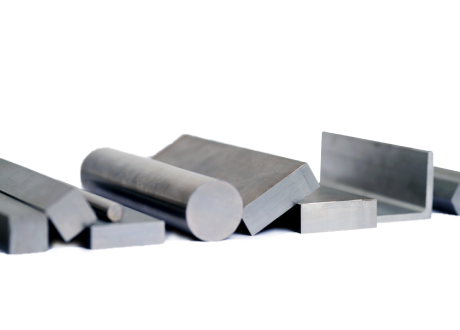
Aamor Inox supplies duplex stainless steel bars and long products for machining, fabrication, and critical engineering applications, with supply conditions and inspection requirements tailored to the applicable product standard and customer specification.
Duplex stainless steel should be chosen against the full service environment, not just a grade name or a PREN number on a datasheet. Product form, mechanical-property requirements, heat treatment, corrosion conditions, welding procedures, inspection standards, and end-use approvals all need to be part of that decision.
Contact Aamor Inox to talk through your requirements for 2205 duplex stainless steel bars, UNS S32205, EN 1.4462, or specification-controlled duplex stainless steel long products.

A-30, Site 4, UPSIDC Industrial Area, Sahibabad, Ghaziabad 201010, Uttar Pradesh, India
Plot #10, Site 2, Industrial Area, Loni Road Mohan Nagar, Ghaziabad 201007, Uttar Pradesh, India
Let’s Start Your Project